
Orthodontic Technology · Dental Tech
Smile Analysis That Guides Treatment, Not Just Images
Before treatment begins, smile analysis should do more than produce a clean image. In orthodontic and dental workflows, a polished photo can still miss the details that shape clinical decisions....
Before treatment begins, smile analysis should do more than produce a clean image. In orthodontic and dental workflows, a polished photo can still miss the details that shape clinical decisions. At Smilysis, we focus on the measurements and visual relationships that help clinicians read a smile the same way every time.
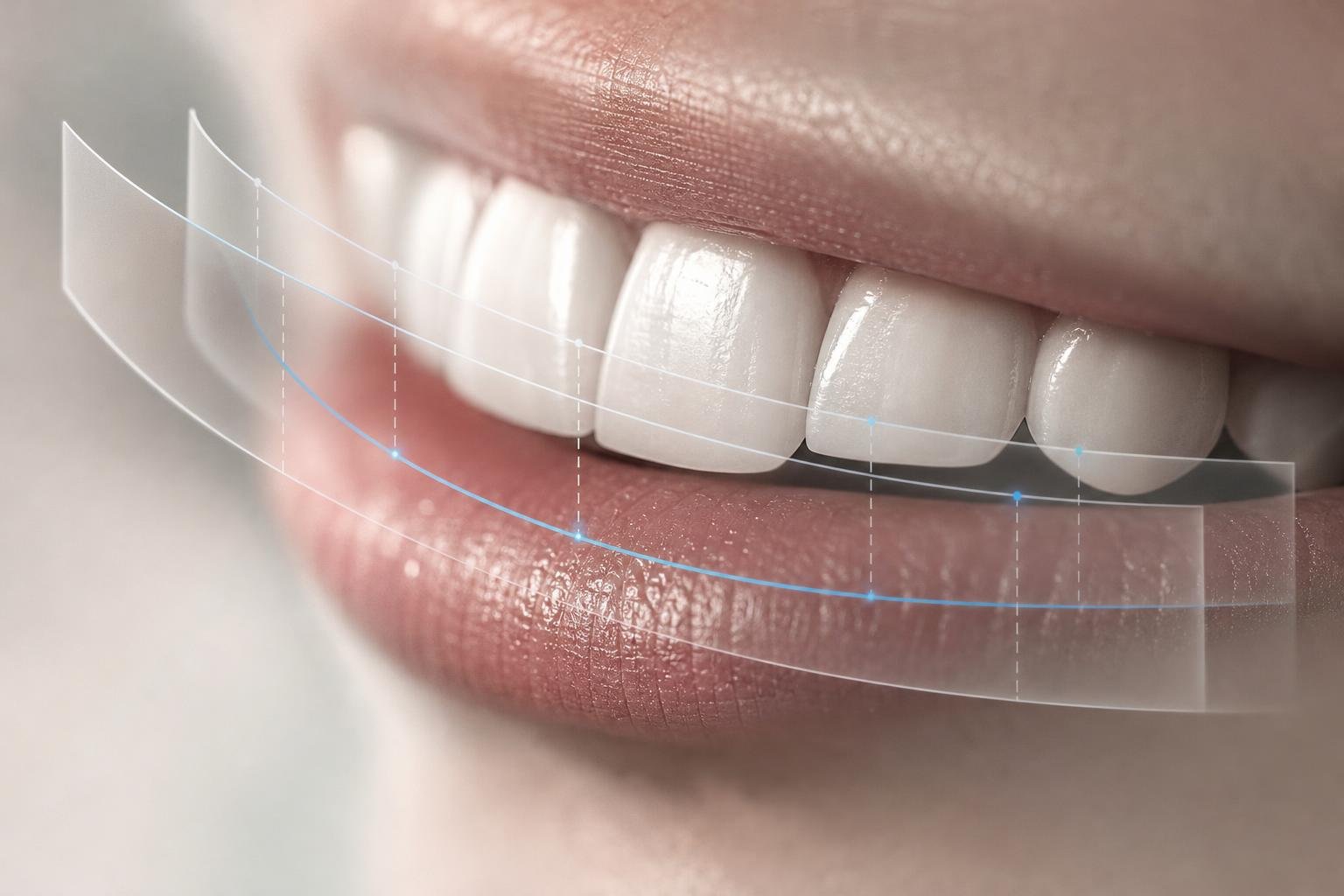
The starting point is often the smile arc. When the incisal edges do not follow the lower lip line, the image may still appear technically sharp, but the smile can carry a visual imbalance that deserves attention. That is why consistent clinical imaging matters: it helps reveal whether the smile is harmonious or whether the visual pattern suggests a different plan.
What Smile Analysis Should Clarify
A useful smile analysis does not overwhelm the clinician with extra information. It answers a small set of practical questions that influence diagnosis and treatment planning. We look at how much tooth shows at rest and on full smile, because those differences can change the way a smile is perceived clinically. We also examine whether the midline sits where the face suggests it should, since facial balance often frames the overall result.
Another important point is tooth inclination. We assess whether the teeth lean in or out relative to the lips, because that relationship can affect both aesthetics and how the smile sits within the face. Gingival margins and incisal edges matter as well. When they follow a consistent pattern, the smile tends to read as more organized and intentional.
Why Consistency Matters in Clinical Imaging
In everyday practice, the challenge is not collecting more data. The challenge is capturing the right data and reading it in a consistent way. That consistency helps reduce variation between records and makes it easier to compare smiles over time. It also supports clearer communication within the team and a more reliable basis for treatment decisions.
For orthodontists and dental professionals, this approach can make smile analysis more clinically useful. Instead of focusing only on image quality, we can focus on what the image reveals. The result is a workflow that supports observation, comparison, and planning with greater clarity.
Building a Standard for Better Smile Evaluation
Smilysis is built around that standard. We want smile analysis to capture the features that matter most and present them in a way that is readable, repeatable, and clinically relevant. When the process is standardized, it becomes easier to notice the details that shape treatment choices and easier to trust the record that supports them.
That is also why our approach to clinical imaging is centered on precision rather than excess. A smile image should not simply look good. It should help answer the right questions, consistently, before treatment starts. For a closer look at our approach, visit Smilysis clinical imaging and explore how we support smile analysis for orthodontic workflows.